Every year, as the monsoon rains arrive in Kerala, Ayurvedic centres across the state begin preparing for one of the most significant periods in the Ayurvedic calendar – Karkidakam, often referred to as the “Ayurveda Month.” For generations, this season has been associated with rejuvenation, preventive healthcare, and Panchakarma therapies.
To many, this may seem surprising. Why would Ayurveda recommend treatments during a season when the body is believed to be more vulnerable?
The answer lies in the Ayurvedic understanding of seasonal changes and how they influence the body’s ability to respond to therapy.
Understanding the Body During Varsha Ritu
According to Ayurveda, the rainy season (Varsha Ritu) brings significant changes to the body’s internal balance. The digestive fire (Agni) tends to become weaker, making digestion and metabolism less efficient. At the same time, Vata Dosha becomes aggravated, while Pitta begins to accumulate, making the body more susceptible to imbalance.
Many people naturally experience symptoms such as:
- Sluggish digestion
- Reduced appetite
- Joint stiffness
- Muscle aches
- Fatigue
- A feeling of heaviness
Rather than viewing these seasonal changes as purely negative, Ayurveda sees them as signals to adapt one’s diet, lifestyle, and, where appropriate, therapeutic interventions.
Why Is Monsoon Considered Ideal for Panchakarma?
One of the distinctive features of Kerala Ayurveda is the long-standing tradition of Karkidaka Chikitsa, an expert Ayurvedic doctor-guided rejuvenation programme undertaken during the monsoon months.
According to Ayurvedic principles, the cool, humid atmosphere of the rainy season is believed to make the body’s tissues and channels (Srotas) more receptive to therapeutic procedures. The season is considered particularly favourable for Snehana (oleation) and Swedana (sudation)—the preparatory therapies that form an essential part of Panchakarma.
These therapies are traditionally understood to help loosen and mobilize accumulated doshic imbalances before the main cleansing procedures are performed. This seasonal receptivity is one of the reasons Panchakarma has been practised during Karkidakam in Kerala for centuries.
It is important to note that this explanation is rooted in classical Ayurvedic principles and should be understood within the framework of Ayurveda.
Panchakarma Is More Than a Detox
Today, Panchakarma is often described simply as a “detox.” However, classical Ayurveda presents it as a comprehensive therapeutic system aimed at restoring balance within the body.
Depending on an individual’s constitution (Prakriti), current imbalance (Vikriti), age, strength, digestive capacity, and health condition, an Ayurvedic physician may recommend specific therapies such as:
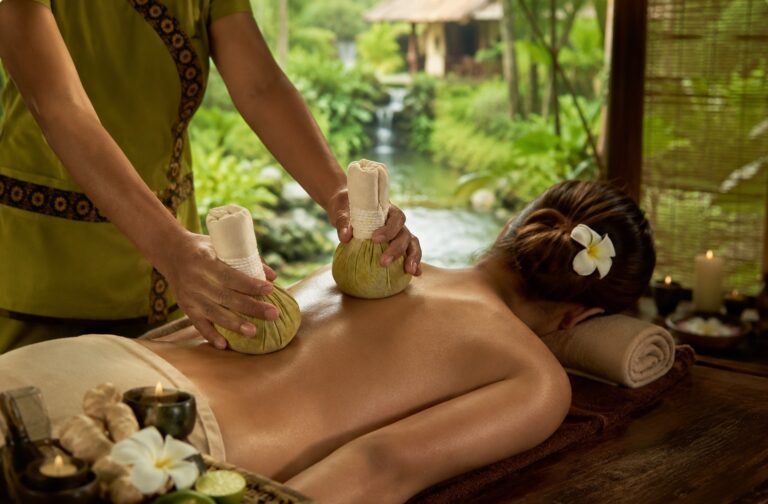
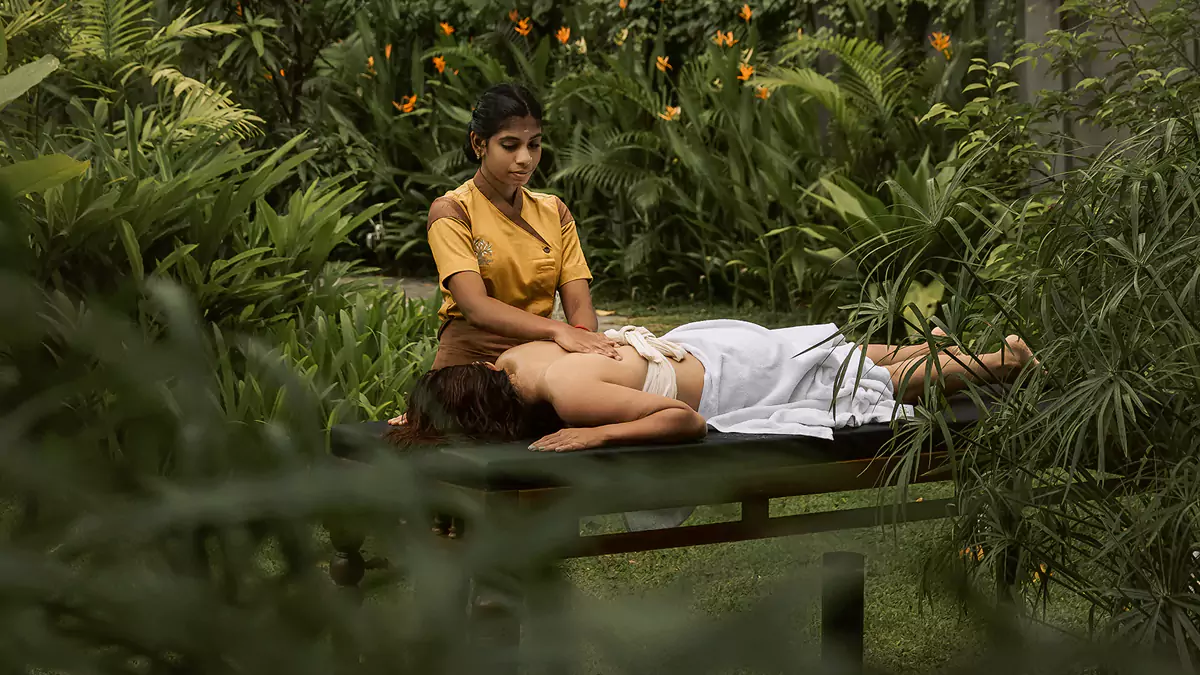
- Abhyanga – Therapeutic full-body oil massage using medicated oils.
- Swedana – Herbal steam therapy performed after oleation.
- Basti – Medicated enemas, traditionally regarded as one of the principal therapies for balancing aggravated Vata.
- Nasya – Administration of medicated oils or herbal preparations through the nasal passages.
- Other Panchakarma procedures when clinically appropriate.
Not every individual requires every therapy. The treatment plan is always personalized after a detailed Ayurvedic consultation.
The Role of Diet During Panchakarma
Therapies alone do not constitute Panchakarma.
Ayurveda places equal importance on dietary discipline throughout the treatment period. Since Agni is naturally weaker during the rainy season, freshly prepared, warm, light, and easily digestible meals are generally recommended. Heavy, stale, excessively oily, refrigerated, or difficult-to-digest foods are usually avoided.
The prescribed diet supports the body’s natural healing processes while complementing the therapeutic procedures.
Rest Is Part of the Treatment
Unlike many modern wellness programmes, Panchakarma is not designed around constant activity.
Adequate rest, sufficient sleep, gentle movement, breathing exercises, and a calm state of mind are considered essential components of the healing process. The quieter pace of the monsoon season naturally lends itself to this restorative approach, allowing both the body and mind the opportunity to recover.
Why Kerala Continues This Tradition
Kerala has preserved the practice of Karkidaka Chikitsa for generations because it reflects Ayurveda’s broader philosophy of living in harmony with nature’s rhythms. Seasonal transitions are viewed as opportunities to restore balance rather than simply respond to illness.
For this reason, many people choose the monsoon months to undergo physician-supervised Panchakarma, not only to address existing imbalances but also as part of a preventive approach to long-term health and well-being.
A Personalized Approach Is Essential
Although the monsoon is traditionally regarded as a favourable season for Panchakarma, these therapies are not universally appropriate for everyone. The choice of treatment depends on factors such as age, constitution, medical history, digestive strength, ongoing medications, and overall health.
A qualified Ayurvedic physician will first assess these factors before recommending any therapy. Self-prescribed Panchakarma or generalized treatment packages cannot replace an individualized clinical evaluation.
Whether your goal is rejuvenation, preventive care, or support for a specific health concern, the monsoon season offers a unique opportunity to experience one of Ayurveda’s most time-honoured traditions under the guidance of an experienced Ayurvedic physician.