What is eczema?
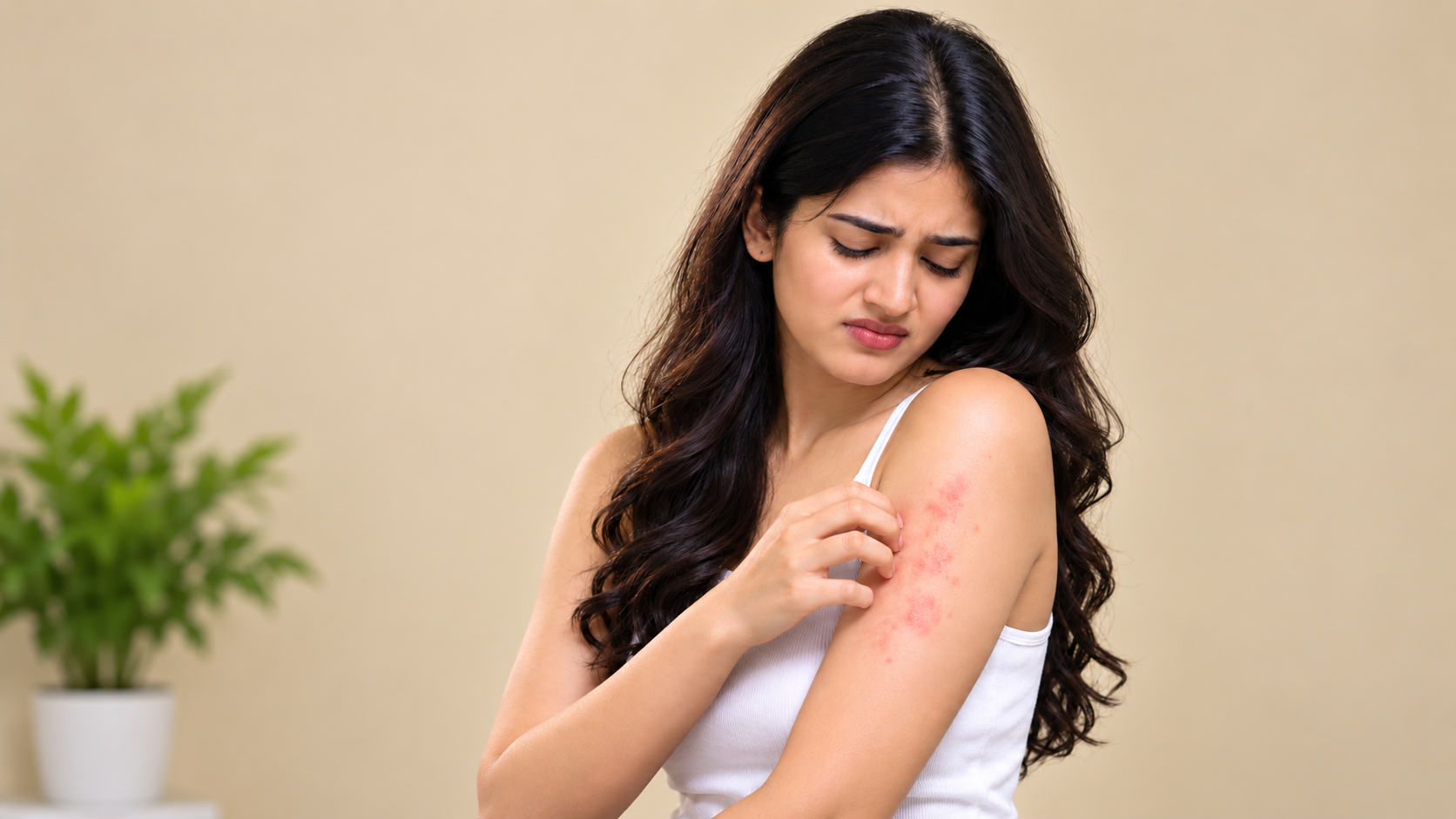
Eczema refers to a group of inflammatory skin conditions that can make the skin dry, itchy, sensitive and irritated. It may appear on different parts of the body, including the hands, face, arms, legs and folds of the skin.
The condition can vary from mild dryness to more persistent inflammation. Scratching affected areas may further irritate the skin and can sometimes lead to secondary infection.
Common symptoms of eczema
Eczema symptoms can vary from person to person. Common signs include:
- Dry or rough skin
- Persistent itching
- Redness and irritation
- Skin inflammation
- Flaky or scaly patches
- Cracked skin
- Thickened skin from repeated scratching
- Small bumps or oozing areas, in some cases
If symptoms are severe, persistent or accompanied by signs of infection, medical evaluation is important.
What causes eczema?
The exact cause of eczema can differ between individuals. Genetics, immune-system activity and environmental factors can all play a role. Common triggers may include:
- Certain soaps and skincare products
- Dust and environmental irritants
- Weather changes
- Excessive heat or sweating
- Stress
- Certain fabrics
- Allergens
- Dry skin
- Individual dietary triggers
Identifying personal triggers can be an important part of managing recurring symptoms.
Understanding eczema through Ayurveda
In Ayurveda, skin health is considered closely connected with overall balance in the body. Traditional Ayurvedic approaches may assess an individual's constitution, diet, digestion, lifestyle and other factors before developing a treatment plan.
Ayurvedic practitioners may consider eczema in relation to an imbalance involving the doshas and the body's tissues. Treatment is therefore generally personalised rather than following one approach for everyone.
Ayurvedic treatment for eczema
Ayurvedic treatment may involve a combination of approaches depending on the individual's condition and assessment.
-
Personalised Ayurvedic therapies
A practitioner may recommend specific therapies based on the individual's symptoms and overall health. The treatment plan can vary depending on the severity and nature of the skin condition.
-
Herbal preparations
Ayurvedic medicine traditionally uses various herbs and plant-based preparations. A qualified Ayurvedic practitioner can determine whether particular preparations are appropriate for an individual. Self-prescribing herbal medicines is not advisable, especially when a person is already using conventional medication.
-
Dietary guidance
Diet may be considered as part of a holistic approach to managing skin health. An Ayurvedic practitioner may recommend dietary adjustments based on the individual's constitution, digestion and symptoms. A balanced diet with adequate hydration and nutritious whole foods can also support general wellbeing.
-
Lifestyle management
Lifestyle habits can influence skin comfort. Maintaining a consistent skincare routine, getting adequate sleep and managing stress may help support overall skin health. Avoiding known personal triggers can also reduce irritation.
Natural skin care tips for eczema-prone skin
People with eczema-prone skin may benefit from simple skin-care practices such as:
- Use gentle, fragrance-free cleansers.
- Avoid very hot showers.
- Moisturise regularly to reduce dryness.
- Choose soft, breathable clothing.
- Avoid scratching irritated areas.
- Protect the skin from harsh environmental conditions.
- Identify and avoid personal triggers where possible.
Before applying herbal oils or other natural products to affected skin, it is better to consult a qualified practitioner, as some products may cause irritation or allergic reactions.
Can Ayurveda help manage eczema?
Ayurvedic treatment may be used as a complementary approach to supporting people with eczema. The focus is generally on personalised care, lifestyle, diet and traditional therapies rather than addressing the skin symptoms alone.
However, eczema can have different causes and levels of severity. Treatment should therefore be planned according to the individual's condition. Conventional medical care may also be necessary, particularly for severe eczema, infection or rapidly worsening symptoms.
When should you see a doctor?
Seek professional medical advice if eczema:
- Becomes severe or widespread
- Causes significant pain or discomfort
- Shows signs of infection
- Interferes with sleep or daily activities
- Does not improve with basic skin-care measures
- Keeps returning frequently
Early assessment can help identify possible triggers and determine an appropriate treatment approach.
Eczema can be a persistent and uncomfortable skin condition, but appropriate management can help control symptoms and support healthier skin. Ayurveda offers a holistic approach that may include personalised therapies, dietary guidance, lifestyle changes and traditional herbal preparations.
Disclaimer: This article is for general educational purposes and does not replace professional medical advice. If you are considering Ayurvedic treatment for eczema, consult a qualified Ayurvedic practitioner for an individual assessment rather than attempting to self-treat.
Considering Ayurvedic care for eczema?
An individual assessment makes far more difference than a general routine. Speak with a qualified Ayurvedic practitioner before starting anything new.